
The job of the worship leader is to craft the best worship experience every time your church meets, right?
Well… kind of.
It’s a bit of “yes” backed up by a bit of “no.”
There’s an expectation of nearly flawless execution from the music to the lights, livestream—even in how speakers transition from one spot to the next.
The level of execution, or performance, that’s expected often comes up short—but that’s largely a subjective experience.
What seems like a disaster in one person’s eyes is a non-issue for someone else. And this past week during a Sunday gathering, that dichotomy of perception was all the more “real.”
The Build-Up
For music ministries, behind-the-scenes work takes up more time than what most people see on a Sunday morning. Rehearsals, preparing materials, setting stage plots, and scheduling teams takes a considerable amount of thought and action.
And at the last minute, it can all fall apart.
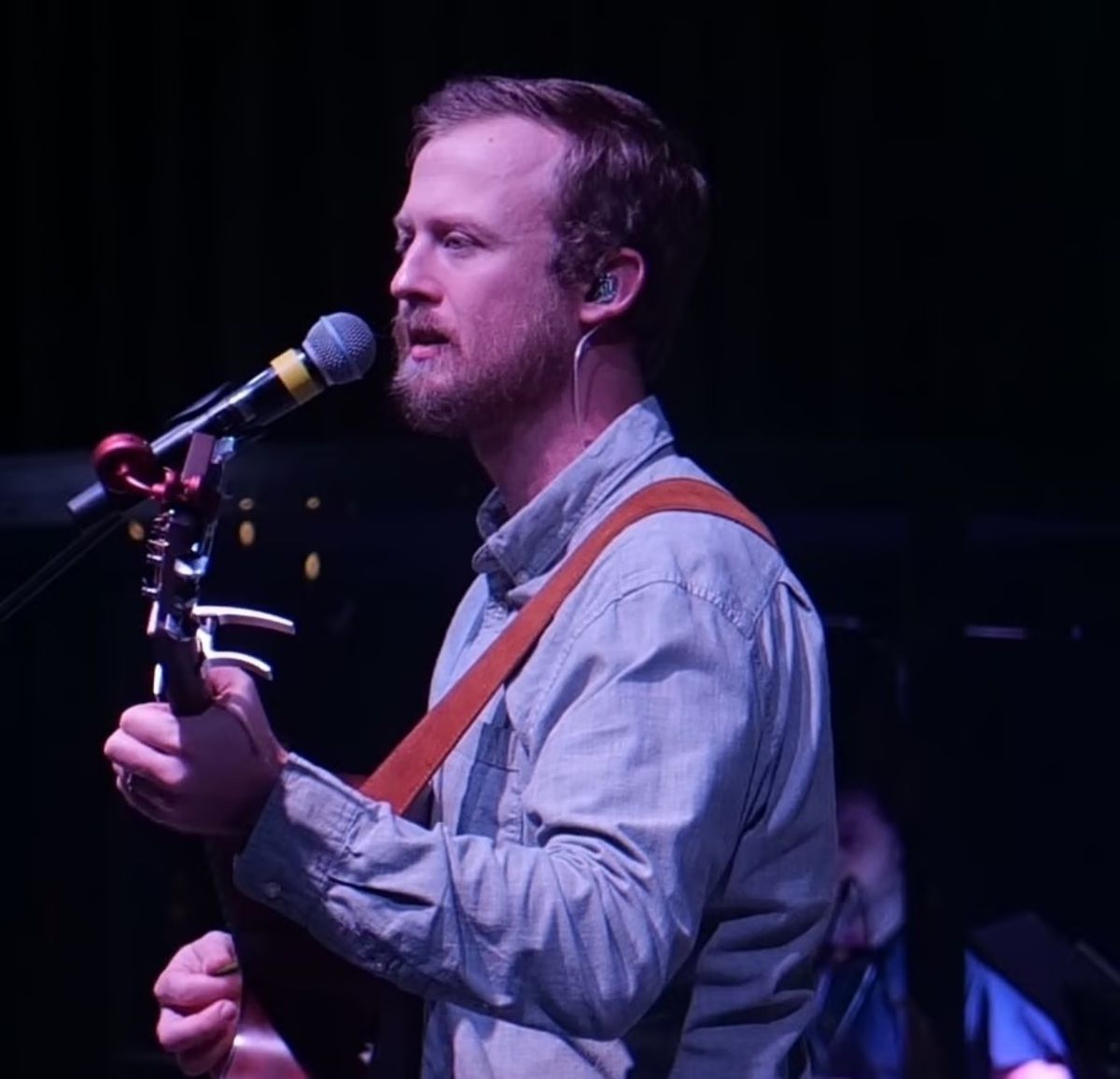
In the week leading up to last Sunday’s service, I had two key members cancel their availability to serve, which left us without half of our rhythm section players. Thankfully, our format is flexible enough that we could pivot to an acoustic-style set, so my plan was to switch from guitar and lead from cajon (a percussive “box” played with the palms of your hands) with a keyboard bass player, a replacement guitarist, a pianist, and an additional singer.
For me, pivots like this, while totally possible, are a source of frustration for me, mainly because they affect the long-term development of full-band instrumentation being a regular feature of our musical experiences in worship. When the pieces constantly shift, there’s no sense of forward traction in meeting those long-term goals—and that “stalling out” can be demoralizing.
Still, we press on, right?
Turns out, it’s not that simple.
The Morning-Of
OK—so the pieces have been re-assembled, so my job is pretty straightforward: Arrive earlier than usual to re-set the stage from where it had been arranged the week/plan prior, and get my hands warmed up for playing the cajon.
Less than half an hour before rehearsal was scheduled to start, my replacement guitarist called in, taking one of their children to the ER. Totally understandable—but it was time to pivot again.
So the new instrumentation was as follows:
I would go back to acoustic guitar.
Bass player takes the cajon.
Remaining team (piano and vocals) stays in place.
Thankfully, rehearsal went GREAT. I felt really good about how things were going, despite all of the changes that needed to be made.
That all changed during the first song of service.
How Service Went
Pretty much right out of the gate, things were off.
Our speaker for the day shared that while we had each prepared from the same passage of Scripture, he was going to head into a slightly different direction. In itself, this isn’t too hard to adjust on my end; I just needed to mentally prepare a transition to blend the approaches and bridge gap between focuses. But also, a media asset we had been requested to show had failed to make it into our presenter set-up, so I was going to have to deal with the fallout/frustration from the people expecting to see it. So already, the cloud was darkening, at least in my mind as I anticipated strong feelings while also carving out the mental bandwidth to bring the focus of the music and the focus of the sermon together.
We started the first tune, and after the first chorus, the worst thing happened that every guitarist dreads:
I broke a string.
Immediately, the whole instrument went out of tune, and all I could do was play through it. After all, we were down to a bare-bones rhythm section, and from an ensemble standpoint, I was the glue holding everything together.
Thankfully, we keep an extra acoustic guitar on hand at the church, so I rushed backstage during the following announcement portion of the service, where an unscheduled volunteer was already waiting to put it in my hands.
The rest of our music went great—no hiccups or broken instruments.
When I stepped offstage and went back to the sound booth, I checked my phone and was greeted with a slough of messages about our livestream clipping out horribly. So instead of catching the sermon, I spent the next 25 minutes adjusting sampling rates, input/output assignments, and checking other hardware in a desperate attempt to get things functioning again.
The long and short of it? It never fully came back. (I’m still figuring that one out as we head into our next service.)
Needless to say, my mindset and nerves were frazzled to say the least. But then communion came, and a video we attempted last month (which failed) went completely smooth, which alleviated my anxiety and served the purpose for which it was intended.
Going into the responsive music, I was feeling much better; transitioning from the sermon to slightly different themes within the same passage was easy, but that ended up being “small potatoes” compared to our final song.
Engagement in music had been fairly minimal up to that point, but our last song elicited the most visible participation. It was the “Doxology,” but with additional words that explored the doctrine of the Trinity in more detail. As we sang the opening words, hands went up, singing became louder, and the expressions on faces became more animated.
Afterwards (both immediately following service and later in the week), the feedback I received didn’t focus on the broken strings or the sparse instrumentation. (Livestream received complaints, but you can’t win ‘em all 🤷♂️)
Instead, people expressed appreciation for the words they sang and how encouraging the entire morning was between our singing, the sermon, and the moments of prayer, contemplation, and unity in the sacraments.
This brought up a maxim I’ve heard over and over as a professional musician, copywriter, and marketer: People appreciate more what is true—not necessarily what is perfect. How they are made to feel is more important than how flawlessly we perform.
Remembering this creates another perspective shift; instead of reflecting on what went wrong, I’m reminded of:
The capabilities and flexibility of team members, both on and off the schedule.
The diligence of leaders and teachers to open the truths of the Word to those gathered to receive it.
The encouragement sent more generously by church members rather than criticism for things that didn’t suit them.
And most of all…
The faithfulness and surety of our Lord to work despite the imperfections that easily trip up and frustrate us, which would normally cause us to lose hope and fervor but instead, fuels our adoration and mission to see God at work among His people, for His glory and our good.
Be blessed 👊✌️
Derek is the founder and director of Worship Strategies and is also Creative Ministries Director Faith Family Church in Fayette, MO. Outside of ministry, he is active as a musician and entrepreneur. He is married to his wife Kaitlynn, and they have two beautiful daughters.
Want Our Help with Your Worship Ministry?
A big part of what we do at WORSHIP STRATEGIES is to help churches improve how they worship.
Practically, this looks like discipleship, leadership coaching, music instruction, and production advising to help your team grow and excel in their giftings to glorify God and edify His people.
The cool thing? We do this free of financial obligation for each church. We have a growing team of folks who support us in our work for YOU 🫵 and be a blessing to churches who need help but lack tangible resources for improvement.
If you’re interested in working with us, then just click the button below to get started.
