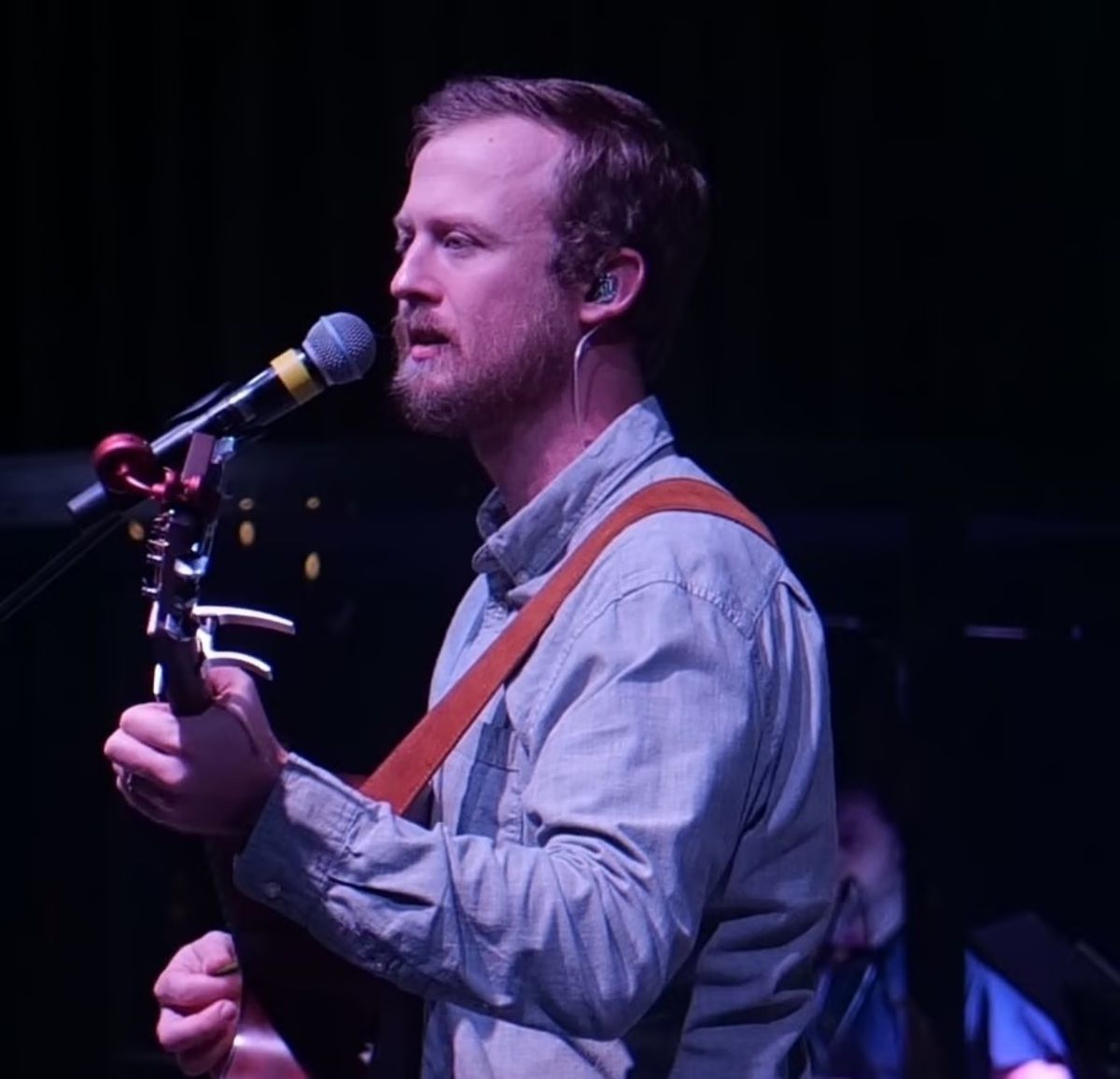
My early 20s were.... interesting, to say the least.
I was wrapping up my bachelor's degree in music at the time, and I had honed my abilities, particularly on guitar, to deliver high-quality performances. Whether I was at school, church, or at a late-night gig, I could SHRED.
I received a lot of compliments on my playing, which led to more opportunities, and I always used these occasions to flex my performance muscles and get better over time. I was perfecting my craft, and I savored the accomplishments while communicating that this was my offering to God—all glory to Him.
That perception changed when I experienced the cringiest moment of my career in worship ministry—and it altered the course of my musicianship in the years that followed.
I was leading worship at my home church, which had employed me as an intern for creative and youth ministries. I filled an instrumental or vocal role nearly every Sunday, with about one week each month that saw me leading the congregational singing. This particular Sunday, I led the singing while also playing electric guitar, which called for "lead-style" playing.
We were deep into the song "Start A Fire," which has a structure ripe with vamps, where the musicians can stretch out and explore their creativity—it's also good for spontaneous moments in worship. We wrapped up one of the main lyrics and launched into an extended vamp, where I took the reins and improvised solos that kept reaching higher and higher. It was going great—until I heard these words ring out from the seats in front of me:
"Go Derek!"
cue internal SCREECH
I immediately felt a wave of embarrassment wash over me—this was a moment for God, not Derek "guitar extraordinaire!" Admittedly, my internal reaction burst out with a dirty look directed in the general area of where the comment had originated. I remember thinking, "How could they have it SO wrong?"
Here's the thing: It was partly MY FAULT.
Like anyone, I had leaned too heavily on my craft in terms of virtuosity, creating an output that emphasized singular solos and spotlighted my creativity. I meant well, but failed in communicating my intent, which led to people praising me, rather than the One is worthy to be praised. I had been preaching the importance of eliminating distractions brought on by sub-par playing, but my efforts for excellence created an equally glaring divergence in worship. I decided from then on that I would not take another solo break in worship outside of the recorded hooks that appeared in the published version of the song we were singing.
But did this stop me from pursuing excellence? Not one bit.
In fact, this drove me to explore newer areas of playing that demanded the highest skills to deliver an understated performance, where I was covering all the ground between rhythm and lead guitar. I (and other players) could appreciate the technical skill I camouflaged, and the congregation could focus on the words being sung, not the notes being played.
So, for you worship musicians: How should you handle moments like this?
For starters, DON'T GIVE THE DIRTY LOOK. A poker face is really valuable, especially in very public places like a sanctuary.
Second, evaluate the details leading up to the moment and see where you can improve. If someone approaches you with high praise of your abilities, thank them! They mean well. Just be sure to throw in "glory to God" as an indirect reminder of your own focus.
In the end, we're all on different points in the same journey in becoming more mature and reflecting the image of Christ. Practice humility in receiving compliments and in your work—that is, does your work point to God, or does it point to yourself?
If you want to know how I camouflage my abilities into non-distracting guitar parts, check out Worship Strategies for Electric Guitar: How to Create a Master Guitar Part from a Multi-Track Recording—it's totally free!
Be blessed 👊✌️
Derek is the founder and director of Worship Strategies and is also Creative Ministries Director Faith Family Church in Fayette, MO. Outside of ministry, he is active as a musician and entrepreneur. He is married to his wife Kaitlynn, and they have two beautiful daughters.
Want Our Help with Your Worship Ministry?
A big part of what we do at WORSHIP STRATEGIES is to help churches improve how they worship.
Practically, this looks like discipleship, leadership coaching, music instruction, and production advising to help your team grow and excel in their giftings to glorify God and edify His people.
The cool thing? We do this free of financial obligation for each church. We have a growing team of folks who support us in our work for YOU 🫵 and be a blessing to churches who need help but lack tangible resources for improvement.
If you’re interested in working with us, then just click the button below to get started.
